

Promoting Racial Justice, Transforming Lives
Free Consultation
Dedicated to ADVANCING Racial Justice
Nusura Consulting Inc. provides specialized professional services that advance racial justice and address systemic inequities. We work with individuals, legal professionals, organizations, and communities through assessment, consultation, mediation, research, and training.
Grounded in evidence, multidisciplinary expertise, and lived experience, our work supports informed decision-making, equitable outcomes, and meaningful change. services

About Us
Nusura Consulting Inc. was founded by Dr. Patrina Duhaney with a vision to address the ways race, culture, and systemic inequities shape experiences within the Canadian justice system. “Nusura” is a Swahili word meaning “to help” or “to save,” reflecting the principles of support, resilience, and liberation that inspired the company’s founding.
Nusura began with a specialized focus on Impact of Race and Culture Assessments (IRCAs), providing courts with individualized context about the effects of race, culture, systemic racism, and related social factors on an individual’s life experiences and circumstances. What began in the criminal justice system has since developed into a broader multidisciplinary practice addressing complex issues at the intersection of individuals, communities, institutions, and systems.
Under Dr. Duhaney’s leadership, Nusura continues to evolve in response to emerging needs and opportunities for impact. While our work has expanded considerably, our founding purpose remains central: to challenge inequities, create pathways for meaningful change, and contribute to a more just society.
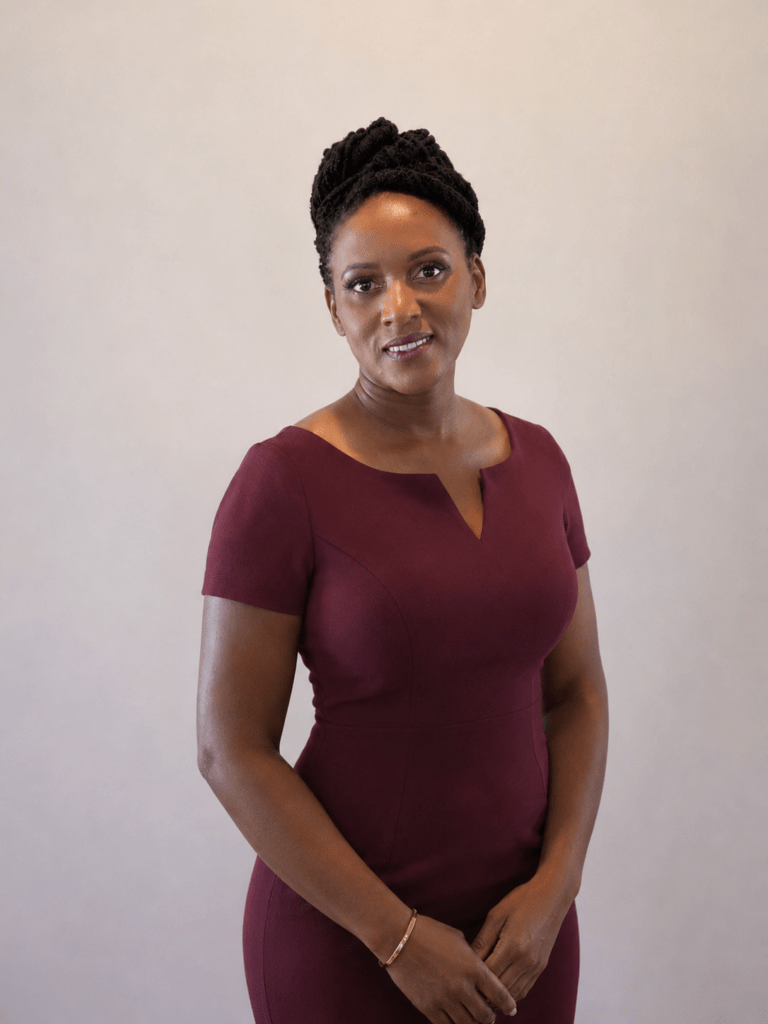
Dr. Patrina Duhaney
Dr. Patrina Duhaney is an Associate Professor and the Founder and Principal Consultant of Nusura Consulting Inc. Her scholarship and professional practice focus on anti-Black racism, criminalization and policing, intimate partner violence, gender justice, and the experiences of Black communities within Canadian institutions and systems.
Dr. Duhaney brings extensive experience in research, assessment, consultation, program development, and community-engaged work. At Nusura Consulting Inc., her work includes Impact of Race and Culture Assessments (IRCAs), mediation, research, training, and consultation. She draws on critical race, intersectional, and Africentric perspectives to bring contextual and systemic analysis to complex social and justice-related issues.
As a researcher and practitioner, Dr. Duhaney has led and collaborated on nationally and provincially funded initiatives addressing anti-Black racism, gender-based violence, criminalization, and systemic inequities. Her work bridges research and practice, translating evidence and community knowledge into assessments, strategies, programs, and recommendations that support informed decision-making and meaningful change.
Across her academic and professional work, Dr. Duhaney brings rigorous research and critical analysis to complex social and systemic issues, with particular attention to how evidence can inform practice, policy, and institutional change.
Our Mission and Vision
Mission
Our mission is to transform systemic structures and practices to ensure racial equity and justice for equity-deserving groups, fostering environments where everyone can achieve their full potential.
Vision
Our vision is to advance racial justice and support Black and racialized individuals through comprehensive, culturally responsive services, including trauma counseling, mental health support, and advocacy, with a commitment to dismantling systemic inequities.

Core Values
Anti-Racism:
We recognize, challenge, and address racism at individual, institutional, and systemic levels, with particular attention to its impact on Black and racialized communities.
Integrity and Humility:
We approach our work with integrity, accountability, critical self-reflection, and a commitment to continued learning.
Intersectionality:
We recognize that race intersects with gender, class, disability, culture, migration, and other social conditions, shaping how people experience institutions, opportunities, and barriers.
Social and Structural Justice:
We examine and challenge the systems, policies, and social conditions that produce and sustain inequity, including barriers related to justice, education, housing, health, and economic opportunity.
Community Knowledge and Voice:
We value lived experience and community knowledge as important sources of insight and seek to ensure that those most affected by inequity have meaningful opportunities to inform the work that affects them.
Equity and Liberation:
We are committed to advancing dignity, equity, self-determination, and greater freedom from structural and systemic barriers.
Contact us today to request a free consultation.
Critical Race Perspective and Service Alignment
Our work is informed by Critical Race Theory and related frameworks that examine the relationships among race, racism, power, institutions, and systemic inequities. This perspective informs how we approach assessment, research, consultation, mediation, training, and other areas of practice.

Contextualized Approach:
We recognize that experiences and outcomes are shaped by individual circumstances as well as broader social, cultural, historical, and institutional conditions.
Attention to Systems and Structures:
We examine how policies, practices, institutions, and systemic barriers influence opportunities, experiences, and outcomes.
Grounded in Lived Experience:
We recognize lived experience as an important source of knowledge and ensure that individual and community perspectives meaningfully inform our work.
Intersectional Analysis:
We consider how race intersects with other identities, experiences, and social conditions to shape distinct experiences and outcomes.
Evidence-Informed Practice:
We integrate relevant research, established knowledge, and professional expertise into our work and continually refine our approaches as knowledge and practice evolve.
Commitment to Racial Justice:
We apply our expertise in ways that contribute to more informed decisions, equitable outcomes, and meaningful systemic change.